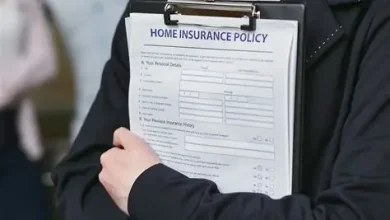
One of the biggest assets in life is home, so insurance protection is essential. Provides financial protection to the owner against unexpected disasters, theft, loss and liabilities. However, many people have an important question: How much coverage is enough? More importantly, is it possible to purchase excessive amounts of homeowner’s insurance? The solution is to strike a balance between unnecessary expenses and adequate protection.
Home Insurance Basics
A typical home insurance policy generally has four main components:
Dwelling coverage: Protects the structural integrity of your home.
Personal property coverage includes coverage for items inside your home.
The purpose of insurance is to cover your losses, not to make money. For this reason, you should know what your actual coverage needs are.
When you can compromise too much
If you want full protection, you can pay higher rates to use the coverage any time, but use it more than at home. Some signs that you may have too much insurance:
Coverage beyond replacement costs: If your insurance covers your home up to a maximum amount, it may be higher, which will be more than the cost of restructuring. Please note that the insurance is for replacement, not for celebration.

Overwalling Accessories: Personal Property Coverage Reveals Your True Self; This is not an assumption. When you throw away just $3,000 worth of clothes, you lose $10,000 worth of clothes.
Get the right balance
“How much is it?” Instead of “How true is this?” There is a better question. To achieve balance, the owner must focus on three things:
Determine the cost of reconstruction.
Consult with an expert to estimate the cost of labor and materials needed to remodel your home in today’s market. This ensures that your home coverage matches the actual replacement value of the home rather than its market value.
Check the conditions required for liability.
Consider purchasing liability insurance. If you have visitors frequently, install a pool or have a pet. However, it is not necessary to pay for excessive liability protection beyond your risk.
When additional coverage makes sense
In some situations a higher level of coverage is advisable. For example, even though it costs more, you may need more coverage if you live in an area prone to earthquakes, floods, or storms. Additionally, extended insurance can offer you peace of mind if your property contains valuable artwork or unique features.
Final thoughts
The right amount of homeowners insurance depends on your balance; This is enough to fully protect your property and belongings without you having to pay for additional coverage.

Being very intelligent, just spent excessively, not more profit. You can determine the correct replacement value of your home, evaluate personal goods, and understand the dangers associated with your life.