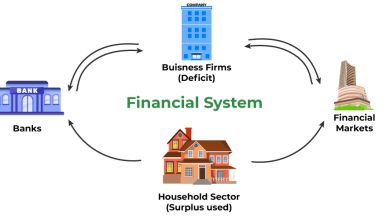
The level of property management is much higher than building maintenance and rent collection. Behind the curtain, a solid financial foundation ensures that the property continues to generate profits, tenants are happy and investors receive stable returns. The financial system is important in this situation. A competent financial system is not only a tool for the accounting method in contemporary real estate management; It is a catalyst for long-term stability, development and decision-making.
Why the financial system is important in real estate management
Managing multiple assets requires a continuous flow of residential, commercial or mixed-use financial data. Daily expenses for property managers include rent, maintenance expenses, energy bill, employee salaries, insurance, and tax transactions. In the absence of a streamlined financial system, managing this data quickly becomes cumbersome.
These processes are optimized by a financial system that guarantees precision, openness and efficiency. This allows property managers to focus on strategy rather than getting caught up in paperwork by streamlining important, automated financial functions.
Main function of a financial system.
Fee Collection and Tracking: A reliable system reduces human errors, delays delays, and collects the fee automatically. Tenants can pay online and management can quickly remind them and monitor who hasn’t paid.

Every dollar should be spent on control and repairs from the innovator, from large-scale renovations. A detailed approach is given to expenditure driven by the finance system, which records expenditure in real time.
Budgeting and Forecasting: Planning for the future is important for property managers. A complete budget was made possible by the finance system aids managers in assessing seasonal costs, vacancy rates and maintenance costs. Long-term capital improvement strategies are also supported by forecasting tools
Cash Flow Monitoring: The foundation of property management is strong cash flow. Real insight into the financial system of income and expenditure allows managers to make quick corrections to prevent financial shortfalls.
Technology integration
Software for property administration is often integrated with contemporary banking systems, offering a one-stop shop. These solutions include marketing tools, maintenance scheduling, tenant management and financial functions. There are particularly well-liked cloud-based systems, which provide access to data from anywhere at any time.
Benefits for interested parties
A financial system ensures that the funds of investors and property owners are handled wisely, with earnings and expenses clearly visible. These devices enhance the experience for tenants by offering online payments and transparent billing. By offering automated and accurate financial data, they help managers feel less stressed.
Final thoughts
The secret to success in property management is good financial standing. A solid financial system provides a framework for operations, enabling managers to maintain assets and optimize profits.

It is now necessary to adopt sophisticated financial systems as the real estate sector becomes more competitive. To succeed, property managers should understand the financial aspects of their business as much as they should maintain their physical property.