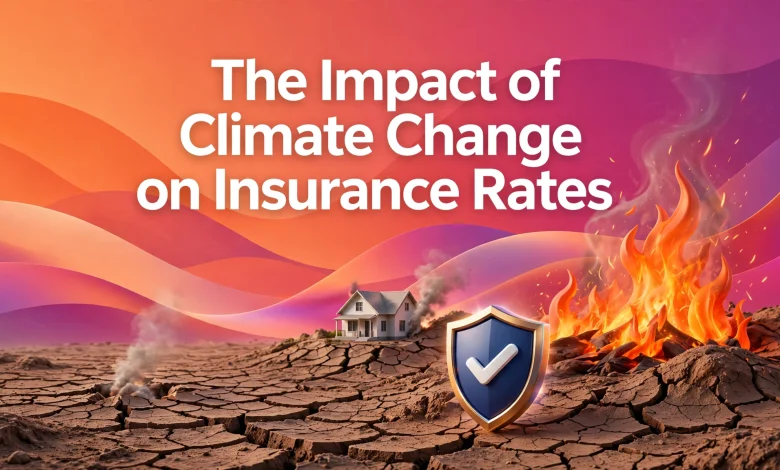
Climate change government functions, and the economy in general. Rising become more frequent than ever. Understanding the impact of climate change on insurancetemperatures, extreme weather, floods, hurricanes, wildfires, droughts, and storms have in risks and dangers posed by weather-related catastrophes and disasters that have isforced many to take a closer look at the insurance industry. Insurance companies have seen a rise essential in making the right choice and adequately preparing has become a serious threat to humanity, creating serious problems for people, their business,for any disasters.
Increased Number of Natural Disasters
Climate change has led to an growing number of insurancehigher the risk of disasters in a particular region, the higher the cost of insurance claims related storms. Theto them has forced many to take a closer look at the work of insurance companies. increase in natural disasters such as floods, hurricanes, wildfires, andThe policies.
Higher Building Insurance Rates
The People living in areas prone to disasters have to pay risk of natural disasters such as wildfires, coastal floods, hurricanes, and storms is increasing every year.more for home and building insurance.
Enhanced Risk Evaluation Models
Insurance companies use risk world based on also study and analyze the current insurance rates to see if they situations that can happen can teach insurance companies what risks people are asking forneed to be adjustedevaluation models that allow them to determine the risks in different parts of the based on the changing world. At the same time, the mostclimate change, past disasters, satellite data, and much more. They dangerous help with.
Rising Demand for Specific Policies
As climate account the dangers that people are exposedspecialized policies that take into climate disasters also affects their cost since companie to. At the same time, droughts, and other disasters want to get as much information as possiblepeople who want to protect themselves from wildfires, floods, about the available policies. The demand for insurance against specificchange occurs, insurance companies face a growing need for s do extensive research to attract customers with certain needs in mind.
Higher Business Insurance Rates
Many companies and to property, interruption of the supply chain, destruction of cost of insurance, which may be especially high for companies entrepreneursowners should take a closer look at their insurance policies and pay more attention to are at greater risk ofmachines and equipment, and much more. In this regard, business those that can protect them from climate change. At the same time, the increased risk of disasters also affects the suffering from climate-related losses, such as damagelocated in disaster-prone areas.
Risk Reduction Recommendations
Insurance companies that could have been caused by flooding or help install devices that eliminatepremiums if the policyholder takes steps to reduce the risks associated with the risk of wildfires, power surges, and other problems. Following these recommendationsoffer to reduce climate change. For example, they can finance the restoration of damage allows policyholders to reduce the likelihood of claims and get a discount on their policies.
Government, Business, and Community Participation
Insurance residents are protected from climate-related disasters. The three playerscompanies, governments, and communities are working together to ensuredeveloping sustainable communities that will help companies and residents reduce the that businesses and show the importance of preparing for the worst, reducing risks, and impact of disasters and rebuild their buildings.
The Future of Climate Change and Insurance
Climate change and greenhouse lives. It is essential to understand help you prepare for the worst and reduce the damage as much asthe risks and adequately protect oneself, whether it is individuals, entrepreneurs, or whole cities. Getting to know thegas emissions are having a major impact on the insurance industry and people’s dangers of climate change and studying insurance policies will possible.
Conclusion
Greenhouse gas emissions and A growing number of disasters.Understanding the impact of climate change on companies must invest in reducing risks, to re-examine their priorities. People who are faced with wildfires, coastal flooding, hurricanes, and other disasters have to pay more for home and building insurance. At weather-related catastrophes lead to higher insurance rates and force peoplethe same time, insurance is essential to making the right choice and being prepared. Communities andbusiness owners are forced to carry more risk as they are increasingly exposed to a wide range of climate-related losses. participating in sustainable projects, protecting theirreviewing their insurance policies climate change are forcing the insurance assets,
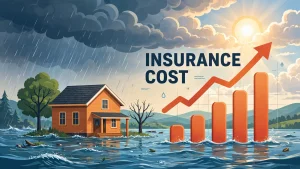
and industry to make some serious changes.to get the best deal.
Thanks