Credit is a deal but lots of people don’t get it. Your credit score affects a lot of things like the interest rate you get on your mortgage. Even if you get a job. Many people don’t realize how their credit decisions impact their future. To use credit wisely you need to understand how it works and be careful.
Whether you’re just starting out with credit or trying to fix credit the basics are the same: be consistent, responsible and make smart decisions.
Why Credit Matters
Your credit score is like a report card for your money. Lenders check it when you apply for a mortgage, car loan, credit card or any other loan. A good credit score gets you an interest rate and better loan terms. This can save you a lot of money. Bad credit can cost you money. Limit your options. It’s not just lenders who check your credit score. Employers, landlords and insurance companies use it too. So having credit means more opportunities.
Essential Points for Understanding and Building Credit
1. Know Your Credit Score and What It Means
You need to know your credit score. What it means. Your credit score is a number from 300 to 850. You can check your credit report for free a year at annualcreditreport.com. This is a government service. You get one report from each of the three credit reporting companies: Equifax, Experian and TransUnion.
2. Prioritize Payment History
Your payment history is 35% of your credit score. Missing payments or paying late hurts your score. Set up payments or reminders so you never miss a payment. One late payment can cost you a lot in interest.
3. Keep Credit Utilization Low
Credit utilization is how credit you’re using. It’s 30% of your credit score. Using much credit looks like you’re struggling financially. Try to use no than 30% of your available credit. For example if you have a $5,000 credit limit keep your balance below $1,500.

4. Build Diverse Credit Types
Lenders want to see you can handle types of credit. This means having a mix of credit cards and loans like a car loan or mortgage. Don’t take on much debt just to have many credit types.
5. Monitor Credit Reports for Errors
Sometimes there are mistakes on credit reports. These mistakes hurt your credit score. Check your credit report regularly to ensure it’s accurate. If you find a mistake dispute it with the credit reporting company. Fixing mistakes can really help your credit score.
6. Build Credit Gradually if Starting From Scratch
If you don’t have a credit history start building credit with a secured credit card or by becoming an user on someone elses credit card. You can also use a credit-building loan. Just start small. Be responsible.
7. Develop Long-Term Financial Discipline
Having credit is about having good financial habits. Live within your means avoid much debt and save money for emergencies. Good credit doesn’t happen overnight. It takes time and responsibility.
Understanding credit and building habits is crucial for long-term financial success. Your credit score can open doors to opportunities. Save you money. So start today by checking your credit report and understanding your credit score. Make a plan to be responsible with your credit. It will pay off in the run.
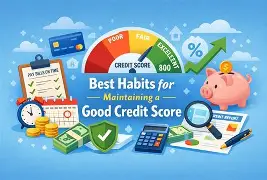
The time and effort you put into building credit now will be worth it, for years to come.
Thanks