Uncertainty is unavoidable in both daily life and business. There are threats everywhere from market grains to natural disasters. Although no one can provide a safety trap with complete certainty, risk management and insurance for the future that helps people, businesses and communities to get ready for unexpected events. When combined, they provide a powerful plan to reduce vulnerability and maintain stability in an unexpected environment.
Understanding risk management
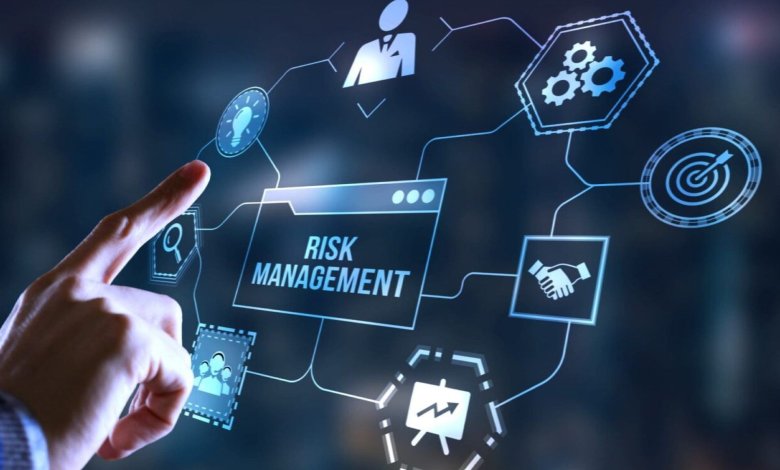
After the implementation of methods of reducing their results, the process of prioritizing, evaluating and giving priority is known as risk management. It is important to be active here instead of reactive. For a company, it can assess risks such as supply chain, data violations, or dissolution of accidents of workers. Risk for individuals may include loss of money, property damage or health problems.
Effective risk management usually consists of four stages:
The identity of the risk refers to identifying the dangers that have the ability to cause disadvantages.
Risk assessment is the process of calculating each danger possibility and potential effects.
Management of risks take action to reduce losses or prevent damage.
The ongoing evaluation and strategy adjustment in response to the conditions to be developed in risk monitoring.
Early risk awareness enables individuals and organizations to create plans that reduce adverse results and ensure flexibility.
Insurance as a risk management tool
Insurance is an important tool for transferring risk, even if the risk management is mainly related to prevention and control. Insurance risk enables the risks to be shared with an insurer rather than affecting the full weight of monetary loss. The insurance firm provides compensation in the event that some incidents occur in exchange for premiums.
For example:
Medical cost is covered by financially health insurance.
Property insurance molds residence and commercial buildings against natural destruction, theft and fire.
Liability insurance molds people and businesses with cases.
Following an unexpected disturbance, the professional obstruction assists insurance companies in restoring lost revenue.
Insurance is guaranteed that recovery is possible without destroying financial results, but it does not prevent risks.
Coordination between insurance and risk management
Risk management and insurance are combined when the best results are achieved. While risk management reduces the possibility of loss, insurance acts as a safety net in situations where risk cannot be avoided.
For example, a business can reduce cyber risk, for example, by investing in risk management training for firewalls and employees, but it will still have to get cyber liability insurance to cover any possible violations. Similarly, a homeowner with property insurance can add a security system and smoking alarm.
This two-dimensional strategy guarantees safety and prevention.
Beyond security benefits
Risk management and insurance play a role in more than financial stability only. They provide peace of mind to people and businesses so that they can focus on innovation and development rather than anxiety related to failure. A concrete risk management plan is also following the rules that can help firms improve their reputation, gain confidence of stakeholders, and guarantee. Long -term financial planning and family security are made possible by safety nets that make for individuals.
final thoughts
Life is full of uncertainty, but not of vulnerability. Together, risk management and insurance provide the basis for adaptability in unexpected environments. The joint financial stability with active strategy allows both individuals and companies to withstand obstacles with equal assurances.
Thanks