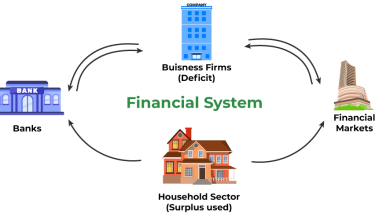
Finance is a part of our lives. We earn a paycheck have a mortgage and make investments. We plan for retirement. For people finance seems like a complicated subject. Once you understand the basics of finance everything else starts to make sense. Here is a simple explanation of concepts that everyone should know.
1. The Time Value of Money
A dollar today is worth more than a dollar tomorrow. This is because the money you have now can be invested to earn money over time. This idea is crucial for loans, retirement planning and more. When you understand the time value of money you know why it’s good to start saving and why waiting to make financial decisions can cost you.
2. Compound Interest
Compound interest is when you earn interest on the money you already have and also on the interest you’ve already earned. Over time this can help your money grow quickly. For example if you invest $10,000 and earn 8% interest each year you’ll have over $46,000 in 20 years. Compound interest can help you when you’re saving and investing. It can hurt you when you have debt.
3. Assets and Liabilities
Assets are things that put money in your pocket like investments, rental properties and businesses. Liabilities are things that take money out of your pocket like mortgages, car loans and credit card debt. To build wealth you need to have assets than liabilities. Some people think their home is an asset. If it costs more than it earns it’s actually a liability.
4. Liquidity
Liquidity is how easily you can turn something into cash without losing its value. Cash is very liquid. Real estate is not. It takes time and money to sell a house. A healthy financial plan includes having assets like savings to cover short-term needs and also having some assets, like investments for long-term growth.

5. Diversification
Diversification is when you spread your investments across types of assets like stocks, bonds and real estate. This helps reduce risk. If one investment doesn’t do well the others can make up for it. A good investment plan includes a mix of assets to reduce risk.
6. Cash Flow
Cash flow is the money that comes in and goes out of your finances each month. Positive cash flow is when you have money coming in than going out. This is the key to stability. Negative cash flow can lead to debt and financial stress. Keeping track of your cash flow is one of the powerful things you can do to manage your finances.
7. Return
Every financial decision involves some level of risk and potential return. Higher potential returns usually come with risk. Low-risk investments, like savings accounts offer returns. Higher-risk investments, like stocks offer the potential for returns but also higher losses. Understanding your risk tolerance is important to making decisions.
8. Inflation
Inflation is when the price of things goes up over time. This means that the money you have today won’t go far in the future. If inflation is high and your savings don’t earn interest you can actually lose money. This is why it’s not an idea to keep all your money in a low-interest savings account. Instead you should invest in things that will grow faster, than inflation like stocks or real estate.
Final Thought
Understanding finance is not a luxury; it’s a skill. When you know these concepts you can make decisions avoid mistakes and build a secure financial future. You don’t need to learn everything at. Just start with one concept and build from there. The more you understand finance the confidently you can manage your money and build the life you want.

Finance is a part of our lives and understanding it can help you make the most of your money.
Thanks