
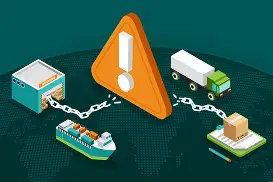
Every business needs a chain of suppliers, logistics partners, distributors and vendors to deliver products and services to customers. For a time this chain worked quietly in the background and people took it for granted. Then problems started to happen. Things like pandemics, geopolitical tensions, port congestion, climate events and raw material shortages showed how weak global supply chains had become. Now businesses are not just fixing these supply chains they are making them stronger.
Here is how companies that think ahead are overcoming the problems of supply chains.
1. Finding suppliers for your business
Depending much on one supplier or one region was a big weakness that was exposed by recent global problems in supply chains. Businesses that got everything from one place found themselves unable to do anything when that place was not available. The solution is to have suppliers for your business.
Smart companies are now working with vendors from regions so that if one supplier has a problem it does not stop everything for your business. This costs more when everything is normal for your business. It helps a lot when there are problems with supply chains. Getting supplies from places including near and local sources is becoming a way to manage risk for your business.
2. Watching the supply chain in time for your business
You cannot control what you cannot see in your supply chain. One of the biggest improvements businesses are making is investing in tools that show them what is happening in their supply chain all the time. These tools track inventory, shipments and supplier performance so decision makers can act before a problem becomes a crisis for your business.
These tools use intelligence and predictive analytics to find problems before they happen in your supply chain. If there is a delay at a port the system finds routes for your business. If a supplier is having problems the procurement team is warned early about the problems with supply chains. Being able to see what is happening in the supply chain helps businesses be proactive and prepare for problems.
3. Keeping inventory for your business
The idea of in-time inventory was good for efficiency but it was a big problem when supply chains broke down. Businesses that did not have stock had no supplies when deliveries stopped. Now companies are keeping inventory, of important components and materials for their business.
This costs more to store inventory for your business. It helps businesses keep working during disruptions to supply chains. Companies are finding a balance between being efficient and being resilient in their supply chains. Resilience is more important now for businesses and their supply chains.
4. Using technology to make logistics better for your business
Technology is helping to make logistics more resilient for businesses. Businesses are using automation in warehouses intelligence to find the routes for freight and blockchain to make documentation and customs clearance more transparent for their supply chains. These tools reduce mistakes speed up processing and make it easier to resolve problems when they happen in logistics.
Digital freight platforms are also helping businesses find carriers so they are not dependent on one logistics provider for their supply chains. If one route is blocked they can find another option quickly for their business.
5. Building relationships with suppliers for your business
Technology and strategy are important for supply chains. Strong relationships with suppliers are key to a supply chain for your business. Businesses that treated their vendors like they were transactions found that those relationships did not last when there were problems with supply chains. Businesses that worked closely with their suppliers shared forecasts, made contingency plans. Helped them financially during difficult times found that their supply chains were stronger.
Managing supplier relationships is now a priority for businesses and their supply chains. Regular communication, joint risk assessments and long-term contracts that give suppliers stability are becoming practice for businesses that want to be resilient in their supply chains.
Supply chain problems are not going away for businesses. Geopolitical instability, climate volatility and the complexity of trade mean that disruptions will keep happening to supply chains. The question is whether your supply chain can handle the pressure.
Businesses that diversify their suppliers invest in visibility build inventory buffers use technology and nurture supplier relationships are not just surviving disruptions to their supply chains they are turning resilience into an advantage for their business.

Supply chains are, like the businesses that depend on them they must be strong to survive and thrive.
Thanks