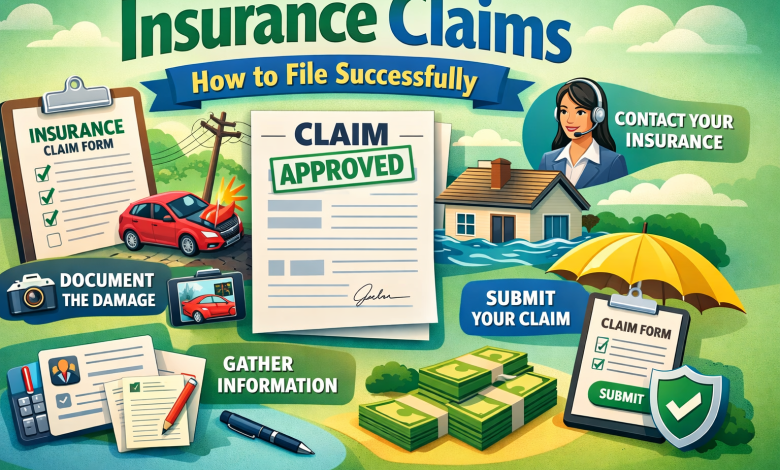
One of the best ways to protect yourself and manage expectations during a loss event is to actually read your Filed When you are already overwhelmed At the height of most disasters (a car crash, a house fire, a robbery.
an illness) you are probably more worried about what else could go wrong. If you want to have a speedy and fair insurance claim outcome as opposed to an unpleasant one, it helps to know what you are doing before you actually submit a claimpolicy of insurance.
and what is not, even before an event occurs. Better yet, put the policy in a secure place and read it sometime before anything even happens, and then make a note of its location for the future. Knowing your rights under the insurance contract means that you’ll have a general sense of what is covered
File the Claim ASAP
Most policies have terms and conditions specifying when you need to report losses.
Failing to notify your insurance carrier as soon as you can after a loss can delay the settlement process or in some cases prevent the policyholder from collecting under their policy entirely.
Shey’ll need to assess the loss or damage to the insured items. Take and save many pictures of all damage, document with video where possible, and jot down a listome specify deadlines (such as seven days after a car accident), while others just state ” promptly.” When you delay the report, make sure you provide a valid explanation.
Gather all the Evidence
In order for your insurer to determine what your policy covers, t of damaged items, what their estimated cost of replacement is, and the manufacturer, model, and serial numbers if applicable.
If the claim is related to a car accident, don’t forget the other car(s) as well, with pictures of their license plates, makes, and models.
The more evidence talking to representatives of your insurance companyyou have on hand from the outset, the better prepared you will be to present your case to the insurance company. This documentation will vary depending on the claim type,
but can include estimates for repairs or replacements, bills for medical attention, receipts for necessary replacement items, and a police report if filed.
Communication is Key
You’ll be a lot when going through a claim, so be sure all communication is clear, concise, truthful, and professional.
Avoid lying, misrepresenting the details, or exaggerating the loss. Anything you say to your claims adjuster could be used in the determination of the claim; inconsistent or misleading statements could cause denial or delay of the settlement.

Working with a Claims adjuster
the purpose of claims adjusters is to confirm the validity of a policy to a specific event, to determine the scope of damages or loss, and to negotiate a fair settlement.
Always remain calm and professional in conversations with them, as they are there to ensure an accurate representation of what happened.
if a dispute arises and an outside opinion is needed (for instance, your claims adjuster refuses to cover the full extent of the damage,
or the company makes an offer that is clearly too low). Insurance adjusters must act in a timely manner; if your insurer does not act on your claim or respondDon’t jump to hiring an insurance dispute lawyer immediately, however, especially since this may involve just negotiating with your claims adjuster.
Document your interactions with insurance adjusters – jot down the time of each call, date of correspondence, and with whom you spoke, as well as a summary of your discussion. This documentation can be invaluable within a specified period, you may have grounds to complain.
As frustrating as the process can be, avoid many of these common pitfalls.
A Public Insurance Adjuster
your insurance company, like a public adjuster. You’ll want someone who understands insurance policies and can fight for you in negotiations.
If your claim involves damage of significant proportions or to numerous valuable items, then consider bringing in professional help from an attorney withIf your insurance policy involves significant damages or an exceptionally complex loss, it is highly advisable to consider hiring an attorney that specializes in insurance disputes or an insurance agent with experience in managing claims.
Public adjusters could potentially help assist you with complex claims If the property or a collection of assets that suffered damages was of substantial value, it’s probably best to hire someone to represent your interests that can negotiate with specialized experience in handling insurance disputes or someone who focuses solely on claims from an policyholder’s perspective,
such as a public insurance adjuster. This kind of representation can be useful, particularly if your insurance company is being difficult and reluctant to make a fair offer.
Check Up with the Claims Department
Don’t be shy about keeping up with your claims handler.
Send him or her an email asking for a general status update at regular intervals throughout the claim process.
I This is especially helpful in ensuring that the insurancet keeps the process moving along and gives the claims handler a notice that you are engaged and expecting progress.

company doesn’t just let the claim sit without adequate attention and action.
Thanks