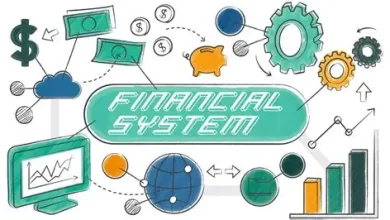
The foundation of each economy is its system. It is like a network of organizations a marketplace, tools and laws that help people save and allocate funds to borrowers and it makes sure that trade and business run smoothly. When people understand the system they and companies can see clearly how wealth is created and developed within the economy even though it seems like a complicated web.
Foundation: Institutes that maintain it
The foundation of the system is made up of organizations like banks, credit unions, insurance providers and investment businesses. Banks are necessary because they provide loans and deposits. For example when people put money in a bank account the bank does not just keep it there it lends the money to people or businesses that need it to buy a house expand their company or invest. On the hand insurance companies provide financial security against risks while investments like stocks, bonds and mutual funds help people grow their money.
These institutions work together to create a cycle that drives innovation and development. They make sure that money goes where it is needed the most.
Role of markets
Financial markets are like a marketplace where people buy and sell financial assets like stocks, bonds and currencies. These markets, which offer real-time trading can be digital or physical like a stock exchange. Bond markets allow governments and businesses to borrow money directly from investors while stock markets allow businesses to raise capital by selling shares.
The trust of investors is also reflected in the markets. For example when the market slows down it often means that people are uncertain. When the market grows it means that people are confident in the economys expansion.

The market helps keep the system effective and transparent by providing a place for pricing, trade and risk management.
Equiprus and Equipure
The financial system uses tools with different functions. Some of these tools include:
* Investing in businesses or debt through stocks and bonds.
*. Loans that provide funds for individual, commercial or housing needs.
* Derivatives, which are contracts that benefit from underlying assets are often used to reduce risk.
* Insurance policies, which transfer risk from people to insurers.
Each tool helps individuals and institutions achieve their goals in a systematic way.
Regulations: Security Tap
The system would be vulnerable to fraud, accidents and exploitation if there were no rules. That is why regulatory organizations, like banks, securities commissioners and international watchdogs monitor operations. For example central banks make sure that banks are financially stable regulate the supply of money and manage inflation. Rules help maintain justice and trust which’re essential for a healthy economy.
Why does it matter to you
Understanding the system deeply helps people make smart decisions. The system affects our lives whether it is deciding where to invest, how to borrow money responsibly or how to save for retirement. Businesses also need to understand the system because their performance often depends on their ability to get credit, finance and investment opportunities.
In summary the financial system helps move money keeps things stable and promotes growth like the communication infrastructure of the economy.

When businesses and people understand how the financial system works they can better understand opportunities and challenges.