
Providing food, livelihood and career opportunities, fishing has long been an important aspect of human existence. Today, fishing is only one aspect of the fishing region; A permanent and attractive company is manufacturing. Fisheries are important for the world’s food security, economic growth and environmental balance, whether small coastal activities or large professional businesses. Fishing is a rewarding and difficult industry that offers opportunities for development, stability and innovation.
Economic value of fishing
Fishing is a major contributor to the global economy. International data shows that fishing is the main source of income for millions of people around the world. Fisheries support a variety of businesses, including boats, net production, seafood processing and logistics, and are responsible for a large portion of GDP in many coastal countries. The importance of this region has increased as a result of dietary patterns moving away from seafood, which is in high demand, and toward protein-rich foods.
Aquaculture: the future of the fishing business
Despite the importance of traditional fishing, aquatic agricultural fishing has become a turning point in the fishing industry. Fish farming allows species such as tilapia, catfish, shrimp and salmon to be produced and harvested in a controlled environment. As a result, the native fish population is less stressed and a stable supply for markets is ensured. The increasing demand for small production cycles, scalable operations and a frequent era of fish products are the advantages for aquaculture entrepreneurs.
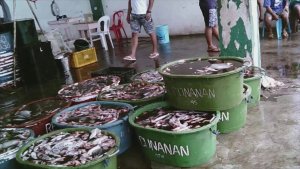
Aquaculture also creates opportunities for companies that use technology. Fish farming is becoming more durable and efficient due to disease prevention thanks to innovations in technology, automatic feeding systems and water quality monitoring equipment.
Stability and challenges
There are difficulties in fishing that require prolonged solutions like other businesses. The marine ecosystem is threatened by overnutrition, pollution, climate change and the destruction of homes. For companies, this means that the industry’s long-term prosperity depends on the balance between environmental responsibility and profitability.
Cutting-edge fishing companies are investing in sustainable fishing methods and ecologically friendly aquaculture processes with Marine Stewardship Council (MSC) certification. In addition to protecting marine resources, these initiatives attract Eco-ware consumers who are willing to pay more for citrus seafood.
Opportunity beyond fishing
Fishing and farming are just two aspects of the fishing industry. Fiscal tuna or fish sauce, export products, seafood processing and packaging, and seafood restaurants, such as fishing field price products, are responsible for the development of the restaurant. In addition, ancillary areas such as equipment supply, transportation and cold storage create more business possibilities.
final thoughts
The fishing industry is a contemporary and dynamic region that has significant capacity, not just a relic of the past. By seeking qualified businesses with value, entrepreneurs can embrace aquaculture, seize opportunities, apply permanent methods, and maintain long-term ecological balance.
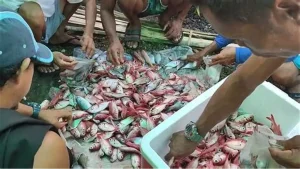
The fisheries region remains a rich region for innovation, stability and profitability due to the increasing demand for seafood worldwide.