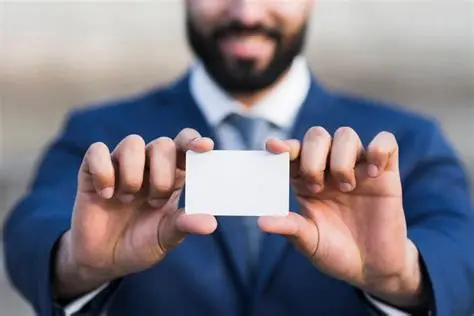
Business cards are still useful today with professional networking being dominated by cellphones, LinkedIn connections and email signatures. These small portable cards help you stay connected with people in your industry and business. A business card is more than a piece of paper with your contact info on it; it’s your personal brand, a way to promote yourself or your company and a silent representative of the first impression you make.
First impressions matter
When you meet someone for the time exchanging business cards is often the first real step in building a professional relationship. It seems professional to give someone a card instead of typing your number into their phone. This shows that you value the conversation and are willing to take it after the meeting.
A designed card can spark interest and be a conversation starter. The font, colors and paper quality all affect how people perceive your brand. A good card shows that you’re professional and pay attention to details while a made card can make a bad impression.
Your brand in your pocket
A business card is more than your name and contact info; it’s a way to showcase your brand. Every aspect of the design from the logo to the colors and fonts says something about your business or personal brand.
For example a financial advisor might use a layout and clear lines to convey professionalism and trust while a creative designer might use bright artistic images to show their innovative side. Business cards are like a portable storage unit for your brand.
Easy to remember
In todays age convenience is key. Business cards provide a way to exchange information without needing any equipment or internet access. They’re often used at conferences networking events or even chance meetings.
Business cards also serve as a reminder. You can keep them in your wallet, desk drawer or conference room. They’re a specific place to store cards unlike digital contacts that can get lost in emails and information overload. When you look at a card you often remember the conversation and the person you met.
Cross-cultural significance
Business cards are important in cultures especially in Asia. Exchanging cards is seen as a sign of respect. Is subject to strict etiquette in countries like Japan. Not accepting business cards can be seen as informal or rude. This shows that business cards are still important in trade.
Digital networking and business cards
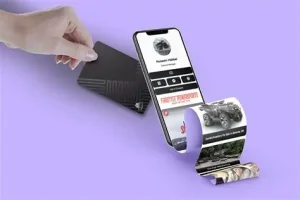
It’s interesting to note that networking and business cards can coexist. Many modern cards include a QR code that links to a website, LinkedIn account or digital portfolio. This approach combines the convenience of cards with the connectivity of the digital world.
Final thoughts
Despite their size business cards are quite important. They’re like a paper-based handshake that allows you to leave a lasting impression and open up possibilities after the conversation is over.
Corporate cards remain a tool in the corporate world, where first impressions and connections matter. They show that sometimes the simplest things can have the impact and they’re far, from being outdated.