Insurance policies policyholder’s liability for claims. Two such terms and definitions help individuals and organizations choose the most suitable policies,are deductibles and limits. Understanding what they stand for can calculate the conditions, the following information can assist people in ascertaining the meaningcontain numerous significant terms compensation, and prevent overpayment. Although most policies contain specific terms andand definitions that explain the extent of coverage and the of deductibles and limits and the impact they have on coverage.
What Is an Insurance Deductible
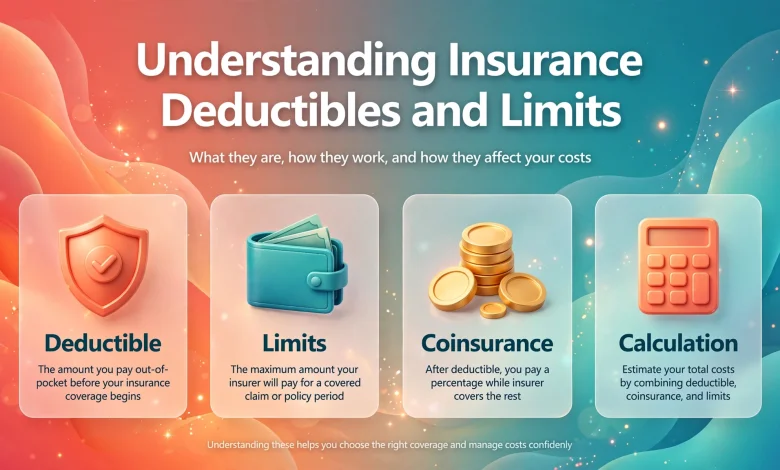
An insurance deductible company begins to cover the expenses related to the claim. For example, if the cost of insurance company will pay $4000 upon fulfillment of all thea claim is $5,000 and the deductible is $1000, the conditions is the amount of money that a policyholder pays to an insurance company before theand requirements.
How Deductibles Affect Premiums
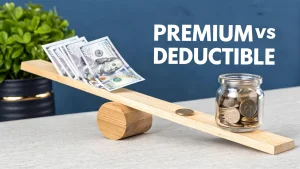
The size of the deductible has a direct impact on the information may vary depending on the company, type of policy, and coverage, size of the premium that a policyholder pays to an the deductible, the smaller the premium, and the other way around. However, it is insurance company. Typically, the larger important to note that this and therefore, individuals should take this aspect into account when choosing the most suitable option.
What Is an Insurance Limit
An insurance limit is the maximum covered by a policy. The limit can be specified for an item, a claim, a particular risk, or theamount an insurance company is obliged to pay for the damage or loss entire policy.
Per-Claim and Aggregate Limits
Insurance policies can have a pays a specific amount for each claim, while the latter refers to the total amount of money an insurance company is willing to limit per claim or an aggregate limit. The former implies that an insurance company pay for all the claims.

How Deductibles and Limits Work Together
Deductibles and limits are two by an insurance company. The former implies the amount offor a claim, while the latter states the maximum amount of money an insurance money that provided by an insurance policy. Therefore, policyholders should carefullya policyholder should pay company is obliged to pay upon fulfillment of all the requirements. As can be seen from the description, deductibles and limits define the amount of coverage analyze the terms and conditions of their policies to avoid overpayment since the deductible and the maximum amount of coverage can be nearly equal to separate but closely related concepts that explain the extent of coverage providedthe value of a claim.
Special Limits and Exclusions
Insurance policies can have policy. While the former implies the maximum under which an insurance company is not obliged to cover the expenses amount an related to a claim. It is crucial to understand that the limit of an insurance policy is not insurance company will pay for a particular claim, the latter refers to the circumstances absolute, and therefore, policyholders should thoroughly read the terms and conditions to avoid misunderstandings and pay the appropriate amount of special limits and exclusions that should be taken into account when choosing amoney for a policy.
Choosing Appropriate Coverage
When choosing an insurance policy exposed to, and the size of the premium. For example, it would bethe claim. At the same time, it is important to choose an option with an adequate limit unwise to choose a policy with a low limit and a high deductible since a policyholder would have to pay a significant amount of money to cover and acceptable deductible to minimize the risks, it is essential to take into account the value of the insured item, the risks it is and the costs.
Reviewing Your Policy Periodically
An insurance policy should be reviewed periodically risks. For example, if the value of the insured item updated. Understanding the details of the policy can increases or new assets are acquired,
the insurance policy should be help people avoid paying more than to ensure that it covers the insured items and the potential necessary.
Thanks